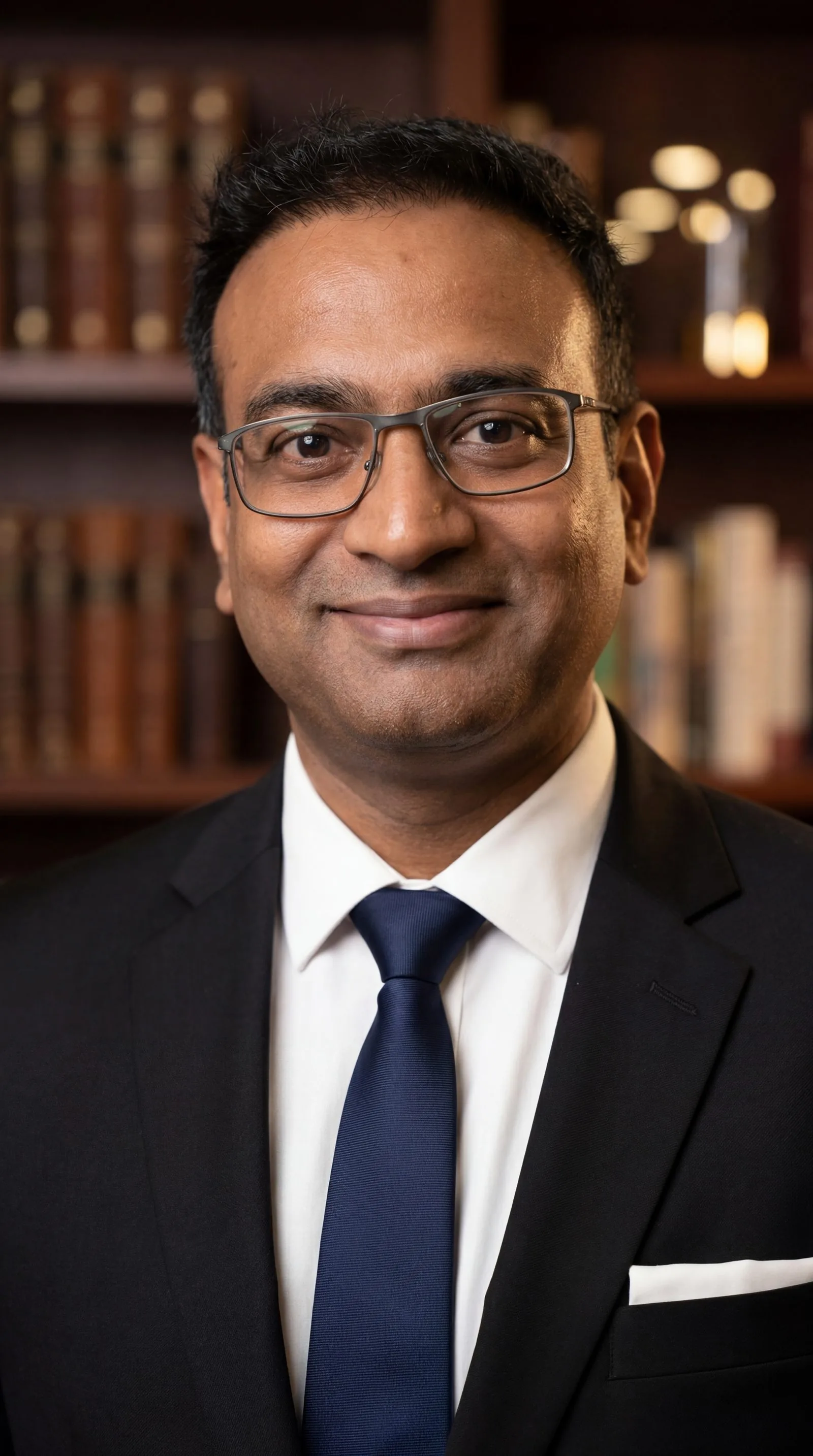
Liver surgery in Hyderabad
The liver is the body's largest internal organ and performs over 500 vital functions, from detoxifying the blood to regulating metabolism and producing bile for digestion. Liver disease can be life-threatening when not treated promptly.
All major Mediclaim and cashless health insurance accepted (Apollo Hospitals TPA desk support).
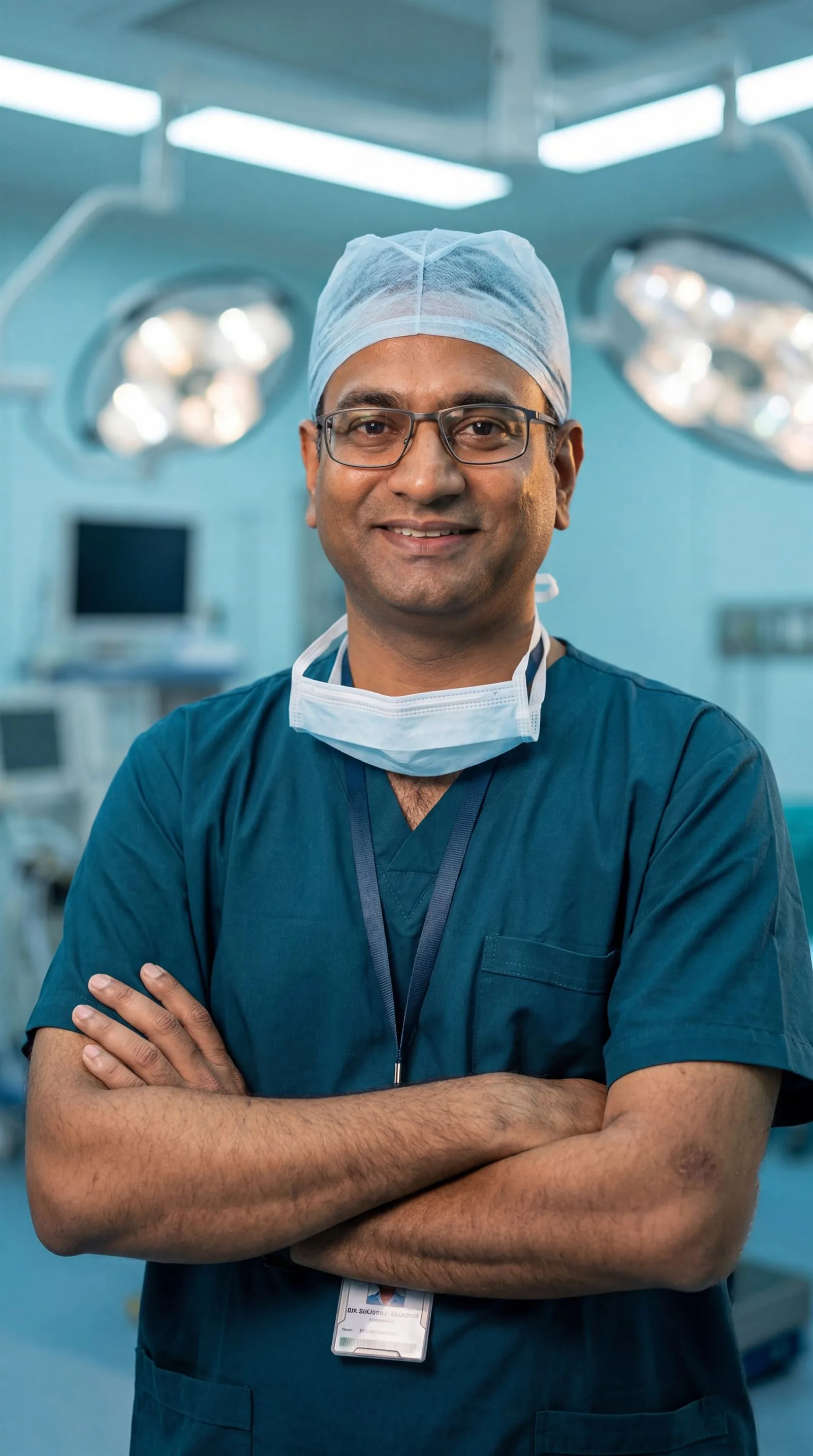
Dr. Sujeeth Kumar Bashetty
MBBS, MS (General Surgery), FIAGES, FAIS, FALS, DIPMAS, FICRS · TSMC Reg. No. 61440
Conditions treated
- Liver abscess: amoebic and pyogenic (drainage and antibiotic therapy)
- Liver cysts: simple, hydatid, and polycystic
- Liver cancer: primary hepatocellular carcinoma and metastatic disease
- Liver resection: all anatomical and non-anatomical resection types
- Portal hypertension: surgical shunt procedures
- Cirrhotic liver complications: variceal bleeding, ascites management
- Liver trauma and injury
Liver surgical procedures
Liver resection (hepatectomy)
Surgical removal of part of the liver, ranging from removal of a single segment to extended hemihepatectomy. The liver has remarkable regenerative capacity, allowing resection of up to 70–80% of the organ in healthy patients. Dr. Sujeeth uses intraoperative ultrasound and careful anatomical planning to maximise safety.
Liver abscess drainage
Liver abscesses, collections of infected fluid within the liver, are typically managed with image-guided percutaneous drainage combined with targeted antibiotic therapy. Surgical drainage is reserved for large, complex, or non-responsive abscesses.
Portal hypertension surgery
Raised pressure in the portal venous system, most commonly due to liver cirrhosis, causes serious complications including oesophageal varices and ascites. Surgical shunt procedures are sometimes required when endoscopic and medical treatments are insufficient.
Liver cyst management
Simple liver cysts are often asymptomatic, but large cysts may require laparoscopic deroofing (unroofing). Hydatid cysts, which are parasitic in origin, require careful surgical excision to prevent spillage and recurrence.
Dr. Sujeeth's liver surgery experience
Dr. Sujeeth has participated in the management of over 10 liver transplantation cases, both cadaveric and live-donor transplants, as part of a hepatobiliary team. This exposure to complex liver procedures informs his care of patients who need liver resection or other hepatic surgery.
Why choose Dr. Sujeeth?
- Extensive liver surgery experience including resection, cancer, and trauma
- Participated in 10+ liver transplantation cases (cadaveric and live-donor)
- Apollo Hospitals: advanced hepatobiliary surgical infrastructure
- Collaboration with hepatologists, oncologists, and interventional radiologists
- Detailed pre-operative liver function assessment and volumetric planning

Fatty liver: causes and risks. Dr. Sujeeth on YouTube (in Telugu).
Frequently asked questions
Q: Can the liver regenerate after surgery?
A: Yes. The liver is unique among abdominal organs in its regenerative capacity. In patients with healthy liver function, the remnant liver grows back to near-normal size within 6–8 weeks after resection of up to 70–80% of the organ.
Q: Is liver surgery safe?
A: In experienced hands, liver resection carries an acceptably low complication rate. Dr. Sujeeth conducts thorough pre-operative assessment, including liver function tests, volumetric CT, and cardiorespiratory evaluation, to ensure each patient is appropriately optimised beforehand.
Q: When is liver transplantation recommended?
A: Liver transplantation is considered for end-stage liver disease (cirrhosis), acute liver failure, or liver cancers meeting specific criteria. Dr. Sujeeth can refer and co-manage patients requiring transplant assessment with specialist transplant centres.
కాలేయం శరీరంలోని అతిపెద్ద అంతర్గత అవయవం. ఆరోగ్యంగా ఉన్నవారిలో కాలేయంలో 70–80% వరకు తొలగించినా, మిగిలిన కాలేయం 6–8 వారాల్లో దాదాపు సాధారణ పరిమాణానికి తిరిగి పెరుగుతుంది. కాలేయంలో చీము గడ్డలను సాధారణంగా స్కాన్ సహాయంతో చర్మం ద్వారా ట్యూబ్ వేసి తీసివేసి, యాంటీబయాటిక్ మందులతో నయం చేస్తారు.
Dr. Sujeeth’s Healthcare Clinic, Manikonda, Hyderabad
Surgery at Apollo Hospitals, Jubilee Hills. Call 99630 09090.