
Last updated: 7 July 2026 · Author: Dr. Sujeeth Kumar Bashetty, MBBS, MS, FIAGES — Laparoscopic & Robotic Surgeon, Hyderabad
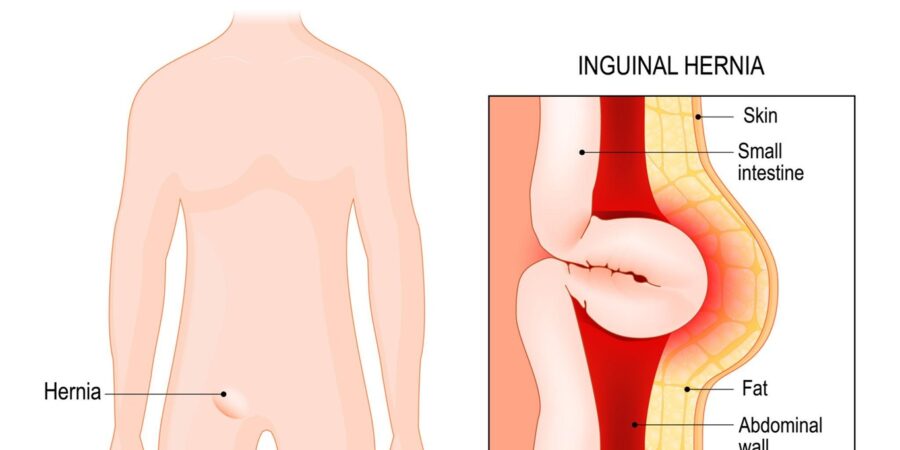
If you have noticed a bulge in your groin or abdomen — or a doctor has told you that you have a hernia — the natural next question is whether you really need an operation, and how soon. The honest answer is: it depends on the type of hernia, your symptoms, and your health. This guide walks you through the same reasoning surgeons use, based on international guidelines, so you can have a more informed conversation at your consultation.
The short answer
Not every hernia needs surgery straight away, but a hernia will not heal on its own — surgery is the only way to actually repair the defect in the muscle wall. Timing is what matters. If the hernia is stuck, very painful, or causing vomiting, it is an emergency: go to a hospital now. If it aches, is slowly getting bigger, or limits your work and daily life, a planned repair is usually recommended. If it is a small groin (inguinal) hernia causing no symptoms, careful monitoring is a guideline-approved option — though many people in this group do eventually choose surgery as symptoms appear.
When surgery is clearly needed: emergency signs
Go to the nearest emergency department immediately — do not wait for a clinic appointment — if you have a known hernia and develop any of the following:
- Sudden, severe pain at the site of the bulge
- The bulge becomes firm, tender, and can no longer be pushed back in
- Nausea or vomiting
- Inability to pass stool or wind (a sign of bowel obstruction)
- The skin over the bulge turning red, purple, or dark
- Fever or feeling generally very unwell
These are warning signs of an incarcerated or strangulated hernia — trapped tissue whose blood supply is being cut off. Strangulation can damage the bowel within hours and needs emergency surgery. This is the one situation where delay is genuinely dangerous.
When surgery is usually recommended
Outside an emergency, surgeons generally advise a planned repair when:
- The hernia causes pain or a dragging discomfort — often worse by evening, or with lifting, coughing, or long hours on your feet
- It has been growing steadily over months
- It interferes with work, exercise, travel, or daily activities — a real concern for people whose jobs involve physical effort
- It has briefly become stuck before, even if it went back in
- It is a femoral hernia (lower in the groin crease, more common in women) — these carry a higher risk of strangulation, so repair is usually advised even without symptoms
- It is an enlarging umbilical or incisional hernia (at the navel or through an old surgical scar)
A useful principle: an operation you plan — at a time when you are well prepared — is generally safer and smoother than one done as an emergency.
When watchful waiting is reasonable
International guidelines (the HerniaSurge groin hernia guidelines) accept watchful waiting as an option for men with a small inguinal hernia that causes no symptoms or only minimal ones. The yearly risk of such a hernia strangulating is low, so there is no automatic rush to operate.
Two honest caveats. First, long-term studies show that a majority of people who start with watchful waiting eventually cross over to surgery, usually because discomfort develops — so waiting often changes when you have surgery rather than whether. Second, watchful waiting is not simply ignoring the hernia: it means periodic review, and knowing the emergency signs above. It is generally not advised for femoral hernias, or for most groin hernias in women.
What happens if you delay
Hernias tend to enlarge slowly over time. A larger hernia can mean a more complex repair and sometimes a longer recovery. The small yearly risk of an emergency never disappears, and symptoms often creep up gradually — many patients only realise how much the hernia was limiting them after it is repaired.
That said, a short, purposeful delay can be sensible: losing excess weight, stopping smoking, or getting diabetes and blood pressure under control before surgery all make the operation and recovery easier. Discuss this openly with your surgeon rather than postponing indefinitely.
Mesh repair options in brief
Most adult hernia repairs use a surgical mesh to reinforce the weak area, which lowers the chance of the hernia coming back compared with stitching alone. The main approaches are:
- Open repair — a single incision over the hernia. A long-established technique; some repairs can be done under regional or local anaesthesia, which suits certain patients.
- Laparoscopic (keyhole) repair — a few small incisions, with the mesh placed behind the muscle wall. Typically less early pain and a quicker return to routine activity; often useful for hernias on both sides or recurrent hernias. It requires general anaesthesia. You can read more about laparoscopic hernia surgery on this site.
- Robotic repair — a form of keyhole surgery in which the surgeon controls robotic instruments, which can help with precision in some complex or larger repairs.
No single approach is right for everyone. The choice depends on the type and size of the hernia, previous abdominal surgery, your fitness for anaesthesia, and your surgeon’s assessment.
Recovery snapshot
Recovery varies by person and by repair, but as a rough guide: many hernia repairs are day-care procedures or need one night in hospital. Desk-based work is often possible within one to two weeks (frequently sooner after keyhole repair). Driving can resume once you can brake sharply without pain. Heavy lifting and gym work are usually restricted for about four to six weeks. Some pulling sensation, bruising, or mild swelling in the early weeks is normal. Always follow the specific advice you are given after your own operation.
How to decide: a shared decision with your surgeon
The decision to operate — and when — should be made jointly. Useful questions to bring to your consultation:
- What type of hernia do I have, and how likely is it to cause trouble over the next few years?
- What would repair involve in my case, and which approach do you suggest — and why?
- What are my personal risks, given my age, weight, diabetes, or other conditions?
- If I choose to wait, what should I watch for, and when should I come back?
Dr. Sujeeth Kumar Bashetty, a laparoscopic and robotic GI surgeon with 20+ years of surgical experience, sees patients for consultation at Apollo Clinic, Manikonda; when surgery is needed, it is performed at Apollo Hospitals, Jubilee Hills. A good consultation should leave you clear about both options — repair now, or structured monitoring — without feeling pushed into either.
Frequently Asked Questions
Is hernia surgery safe?
Hernia repair is one of the most commonly performed operations worldwide and is generally safe. Like any operation, though, it carries risks — including wound infection, bleeding, fluid collection (seroma), recurrence of the hernia, and, after groin repairs, longer-lasting groin pain in a small proportion of patients — as well as the usual risks of anaesthesia. Your surgeon should explain how these apply to you before you decide.
Can a hernia go away with medicines, exercise, or a hernia belt?
No. In adults, the defect in the muscle wall does not close on its own, and no medicine or exercise can repair it. A truss or belt may ease symptoms temporarily but does not treat the hernia and is not a long-term substitute for repair. Watchful waiting is monitoring, not a cure.
How quickly do I need to decide?
If you have any of the emergency signs above, seek help immediately. Otherwise, this is usually a decision made over days to weeks, not hours — there is time to ask questions and prepare. Femoral hernias, and hernias that have previously become stuck, should be reviewed promptly rather than watched.
References
- HerniaSurge Group — International guidelines for groin hernia management (Hernia, 2018)
- NHS — Inguinal hernia repair
- Mayo Clinic — Inguinal hernia: Symptoms and causes
Concerned about your symptoms? Consult Dr. Sujeeth Kumar Bashetty at Apollo Clinic, Manikonda (consultation Rs.1,000) — call or WhatsApp +91 99630 09090 or book online.
